Free Septic Inspection on Qualifying Repairs
Meet NSF 245 Standards for Nitrogen Reduction
Protecting water quality in Dade City and surrounding counties requires more than standard septic maintenance. Florida’s Department of Environmental Protection has established strict nitrogen reduction requirements to safeguard groundwater and surface water ecosystems. The NSF 245 standard made by the DEP for nitrogen reduction addresses these environmental pressures head-on, ensuring your septic system meets current and future compliance mandates. Many property owners in Polk County, Pasco County, and Lake County discover they need NSF 245 systems when facing regulatory inspections or planning property improvements. These advanced systems reduce nitrogen discharge into soil and groundwater, protecting both your investment and the local water table. Without proper NSF 245 nitrogen reduction septic systems in place, you risk costly fines, property transfer complications, and environmental violations. Whether you operate a residential property or manage commercial land, the NSF 245 standard systems represent the only way forward for properties concerned with nitrogen reduction. Our approach focuses on installing and maintaining systems that consistently meet NSF 245 dade city environmental standards while providing reliable long-term performance. The upfront investment in a compliant nitrogen reduction system pays dividends by eliminating regulatory uncertainty and preserving your property’s marketability. Property owners and managers throughout the region are upgrading to meet these DEP nitrogen reduction requirements now, rather than facing emergency retrofits later. Let us handle the technical complexity and compliance burden.
Florida DEP-Certified Systems That Cut Nitrogen at the Source
The NSF 245 standard made by the DEP for nitrogen reduction represents Florida’s targeted response to nutrient pollution threatening groundwater quality throughout Central Florida. In Dade City and across Pasco, Polk, Lake, and Sumter counties, residential and commercial properties near sensitive water bodies or in priority focus areas face mandatory upgrades to nitrogen-reducing septic systems. This standard defines performance benchmarks that advanced treatment units must achieve to prevent excess nitrogen from reaching aquifers and springs. Unlike conventional septic systems that allow nitrogen to pass into soil and eventually groundwater, NSF 245 systems deploy biological and chemical processes to convert nitrogen into harmless gas before discharge.
Property owners typically encounter this requirement during home sales, new construction permitting, or when replacing failing septic systems in designated Basin Management Action Plan zones. The standard applies across multiple system types, including aerobic treatment units with nitrogen reduction features, packed bed filters, and textile filters certified to meet specific total nitrogen output limits. Each installation requires proper sizing based on daily wastewater flow, soil conditions, and proximity to water resources. During Florida’s wet season from June through September, when water tables rise and soil absorption slows, these systems maintain consistent nitrogen reduction performance where standard drainfields would contribute elevated nutrient loads. Compliance involves not only initial installation but ongoing maintenance contracts and periodic sampling to verify nitrogen levels stay within permitted thresholds.
The DEP nitrogen reduction mandate reflects decades of data linking septic nitrogen to algal blooms, declining spring flow, and aquatic habitat degradation. For property owners, installing an NSF 245 dade city compliant system means avoiding enforcement actions, preserving property value, and contributing to regional water quality goals. The technology has matured significantly, offering reliable operation when properly maintained, yet many owners remain unaware of their obligations until a compliance deadline looms.
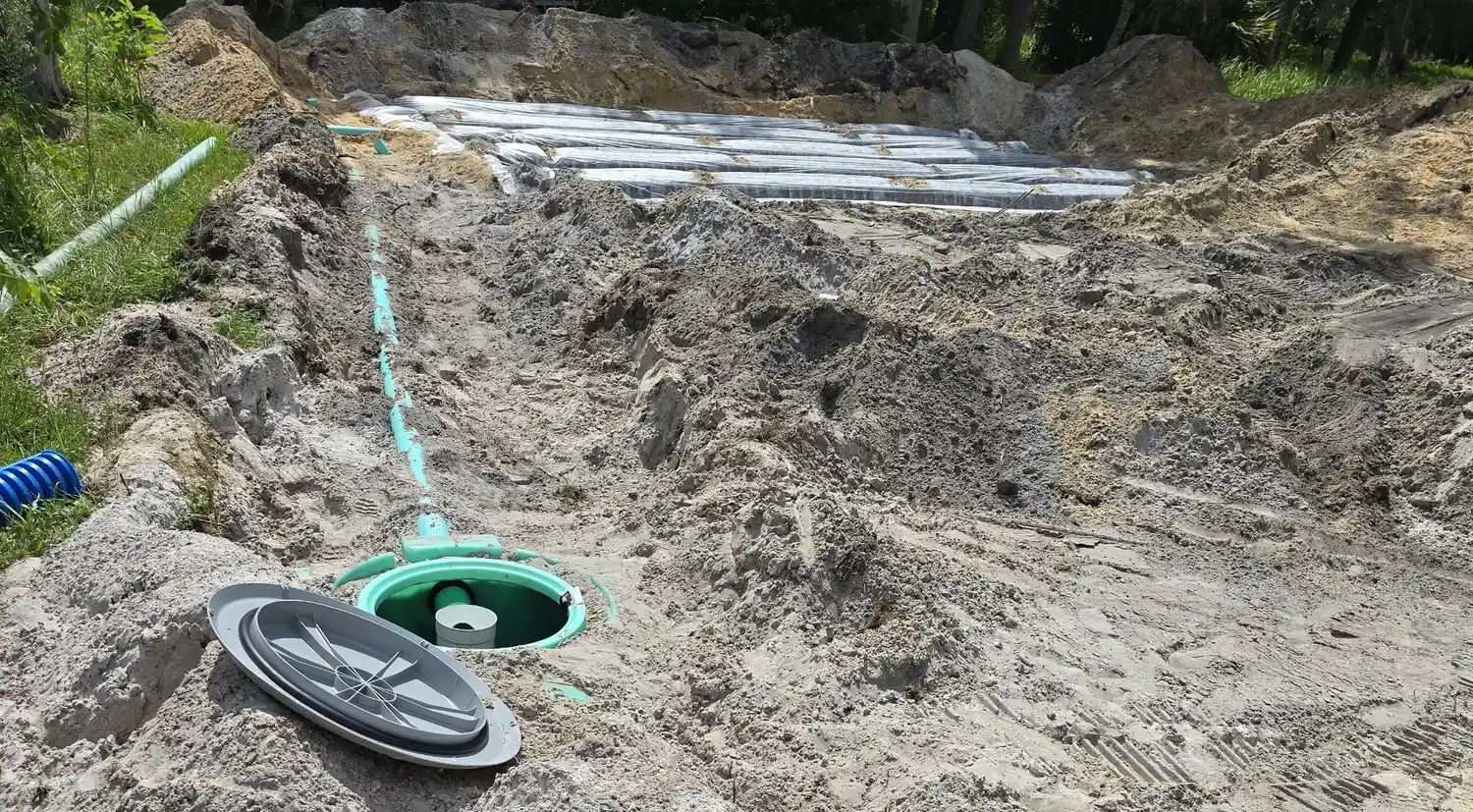
How NSF 245 Systems Are Installed and Maintained
NSF 245 certified systems represent a sophisticated approach to wastewater treatment, specifically engineered to reduce nitrogen levels in treated effluent before it reaches soil and groundwater. Understanding how these advanced treatment systems operate requires knowledge of every phase, from initial system design and proper installation through ongoing monitoring and long-term regulatory compliance. The design phase involves careful site evaluation, soil testing, and system sizing to ensure the technology selected can achieve the required nitrogen reduction targets for your specific property conditions.
During installation, certified professionals must follow precise specifications for tank placement, media configuration, and distribution components to ensure optimal performance. Once operational, these systems require regular monitoring of nitrogen levels, mechanical component functionality, and treatment efficiency to maintain compliance with Department of Environmental Protection standards. Long-term compliance depends on scheduled maintenance protocols, timely component replacements, and detailed record-keeping that demonstrates consistent nitrogen reduction performance over the system’s operational lifetime.
The Installation and Maintenance Process for Certified Systems
Installing a nitrogen reduction septic system requires careful planning, site evaluation, and adherence to state specifications. The process begins with a site assessment where soil conditions, water table depth, and proximity to sensitive water bodies determine system design. Engineers calculate daily wastewater flows based on property use, residential systems typically handle 300 to 600 gallons per day, while commercial installations demand higher capacity units. Once sizing is complete, certified NSF 245 systems are selected from approved manufacturer lists maintained by the Florida Department of Health.
The installation phase includes excavation, placement of treatment tanks, configuration of aerobic chambers or filter media, and connection to existing plumbing. Each component must meet precise elevation and spacing requirements to ensure proper hydraulic flow and treatment efficiency. After installation, the system undergoes startup procedures where bacterial cultures colonize media surfaces and begin converting ammonia and nitrate into nitrogen gas through denitrification. Ongoing operation depends on regular maintenance contracts that include effluent sampling, air pump servicing, and filter media replacement as specified by the manufacturer and permitting authority.
- Site evaluation determines soil type, water table elevation, and setback distances from wells and water bodies to guide system selection
- System sizing calculations account for daily wastewater volume, peak flow events, and future expansion needs based on property use
- Treatment unit installation positions aerobic chambers, filter media, and distribution components according to engineered plans and DEP specifications
- Startup and commissioning establish bacterial populations, verify hydraulic flow rates, and confirm nitrogen reduction performance through initial sampling
- Maintenance agreements schedule pump inspections, effluent testing, and media servicing to sustain compliance with NSF 245 dade city requirements over the system’s lifespan
Frequently Asked Questions About NSF 245 Nitrogen Reduction
-
It defines performance benchmarks that advanced treatment units must achieve to prevent excess nitrogen from reaching aquifers and springs.
-
They encounter this mandate during home sales, new construction permitting, or when replacing failing septic systems in designated Basin Management Action Plan zones.
-
They deploy biological and chemical processes to convert nitrogen into harmless gas before discharge, rather than allowing it to pass into the soil and groundwater.
-
Engineers calculate daily wastewater flows based on property use, while site evaluations assess soil type, water table depth, and proximity to sensitive water resources.
-
Owners must maintain regular maintenance contracts that include periodic effluent sampling, pump inspections, and filter media servicing to verify consistent nitrogen reduction performance.
NSF 245 Compliance Starts Here
Florida’s nitrogen reduction requirements are not going away. The NSF 245 standard made by the DEP for nitrogen reduction represents the regulatory baseline for properties throughout Dade City, Pasco County, Polk County, Lake County, and Sumter County.